
Cardiovascular

Cardiovascular

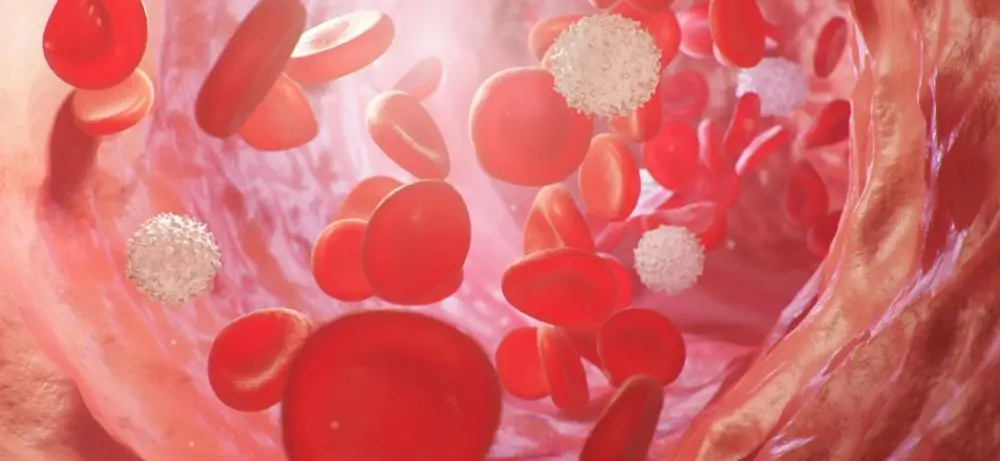
The circulatory system is a vast network of organs and vessels that is responsible for the flow of blood, nutrients, oxygen and other gases, and hormones to and from cells. The system consists of three independent systems that work together: the heart (cardiovascular), lungs (pulmonary), and arteries, veins, coronary and portal vessels (systemic). Together, the heart, blood, and blood vessels make up the cardiovascular component of the circulatory system. It includes the pulmonary circulation, a "loop" through the lungs where blood is oxygenated. It also incorporates the systemic circulation, which runs through the rest of the body to provide oxygenated blood. Because of its vastness and critical nature, the circulatory system is one of the systems of the body most prone to disease. Disorders of this system are the leading cause of death among adults in the majority of countries world-wide, arteriosclerosis being one of the most common diseases. It is characterized by fatty deposits in the arteries that cause the walls to stiffen and thicken the walls, and may result in restricted blood flow and ischemia. This may result in symptoms such as angina and dyspnea, necrosis, and ultimately in heart attack or stroke. Hypertension, another circulatory is disease, causes the heart to work harder and can lead to complications as a heart attack, a stroke, or kidney failure. Abnormal blood lipid levels, that is high total cholesterol, high levels of triglycerides, high levels of low-density lipoprotein or low levels of high-density lipoprotein (HDL) cholesterol all increase the risk of heart disease and stroke, and are of particular interest of modern research. Besides changing food intake habits of patients suffering from cardiovascular diseases, in combination with the stimulation to increase physical exercise, special medication may also modify a patients blood lipid profile and prevent the person from developing life threatening circulatory diseases.

Read More
sort-descending
  • BMS 204352
    1112
    The price depends on the options chosen on the product page

    From $143.00

  • SSR 149415
    1114
    The price depends on the options chosen on the product page

    From $154.00

  • Glutapyrone
    1120
    The price depends on the options chosen on the product page

    From $159.50

  • B-HT 933 dihydrochloride
    1154
    The price depends on the options chosen on the product page

    From $132.00

  • Bromobuterol
    1157
    The price depends on the options chosen on the product page

    From $93.50

  • Celiprolol hydrochloride
    1159
    The price depends on the options chosen on the product page

    From $148.50

  • Olprinone hydrochloride
    1168
    The price depends on the options chosen on the product page

    From $130.90

  • Adenosine amine congener
    1188
    The price depends on the options chosen on the product page

    From $137.50

  • 2-Chloroadenosine
    1190
    The price depends on the options chosen on the product page

    From $71.50

  • UK 432097
    1193
    The price depends on the options chosen on the product page

    From $137.50

  • U-50488 hydrochloride
    1202
    The price depends on the options chosen on the product page

    From $121.00

  • Amthamine dihydrobromide
    1207
    The price depends on the options chosen on the product page

    From $99.00

  • ICI 192605
    1210
    The price depends on the options chosen on the product page

    From $154.00

  • Zardaverine
    1216
    The price depends on the options chosen on the product page

    From $88.00

  • AM 251
    1218
    The price depends on the options chosen on the product page

    From $104.50

More About Cardiovascular

The circulatory system is a vast network of organs and vessels that is responsible for the flow of blood, nutrients, oxygen and other gases, and hormones to and from cells. The system consists of three independent systems that work together: the heart (cardiovascular), lungs (pulmonary), and arteries, veins, coronary and portal vessels (systemic). Together, the heart, blood, and blood vessels make up the cardiovascular component of the circulatory system. It includes the pulmonary circulation, a "loop" through the lungs where blood is oxygenated. It also incorporates the systemic circulation, which runs through the rest of the body to provide oxygenated blood. 
Because of its vastness and critical nature, the circulatory system is one of the systems of the body most prone to disease. Disorders of this system are the leading cause of death among adults in the majority of countries world-wide, arteriosclerosis being one of  the most common diseases. It is characterized by  fatty deposits in the arteries that cause the walls to stiffen and thicken the walls, and may result in restricted blood flow and ischemia. This may result in symptoms such as angina and dyspnea, necrosis, and ultimately in heart attack or stroke. Hypertension, another circulatory is disease, causes the heart to work harder and can lead to complications as a heart attack, a stroke, or kidney failure. Abnormal blood lipid levels, that is high total cholesterol, high levels of triglycerides, high levels of low-density lipoprotein or low levels of high-density lipoprotein (HDL) cholesterol all increase the risk of heart disease and stroke, and are of particular interest of modern research. 
Besides changing food intake habits of patients suffering from cardiovascular diseases, in combination with the stimulation to increase physical exercise, special medication may also modify a patients blood lipid profile and prevent the person from developing life threatening circulatory diseases.

Loading...