
More About KLF5
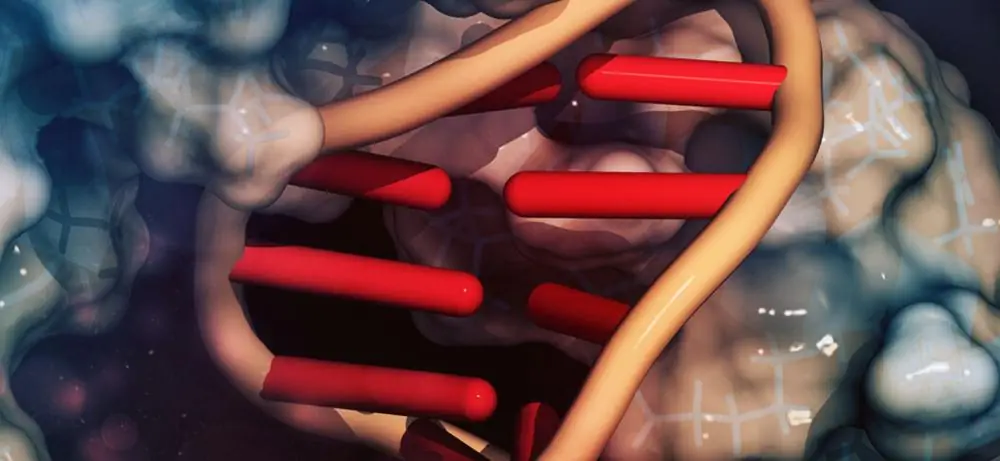
Transcription factors (TFs) are key cellular components that control the first step of gene expression, the transcription of DNA into RNA sequences. By ensuring the correct expression of specific genes, the transcriptional regulatory system plays a central part in controlling many biological processes, ranging from cell cycle progression and maintenance of intracellular metabolic and physiological balance, to cellular differentiation and developmental time courses. TFs may be constitutively active or conditionally active. The most common classification of TFs is based on the structure of their DNA-binding domains. Grouping TFs by structural domain has been extremely useful in uncovering how they recognize and bind specific DNA sequences, as well as providing insights into their evolutionary histories. Moreover, in some instances the DNA-binding domain provides clues to their function[1]. A comprehensive classification recognizes four superfamilies with well-defined structural homology: basic domains TFs (1), Zinc-coordinating domains TFs (2), helix-turn-helix (HTH) domains TFs (3), and beta-scaffold domains with Minor Groove Contacts TFs (4). Additionally, a fifth family of orphan TFs exists for which no superclass assignment can be done yet because of lack of structural information[2].
Superfamily of transcription factors with Zinc-coordinating DNA-binding domains, including Cys4 zinc finger domain containing TFs, such as the nuclear receptors for steroids and thyroid hormones, Cys2His2 zinc finger domain TFs, Cys6 cysteine-zinc cluster TFs and other zinc finger domain containing TFs[2].
[1] J.M. Vaquerizas et al. A census of human transcription factors: function, expression and evolution. Nat. Rev. Genetics 2009, 10, 252-263.
[2] P. Stegmaier, A.E. Kel, E. Wingender. SystematicDNA-binding domain classification of transcription factors. Genome Inform. 2004, 15, 276-286.